Knowledge and retrieval workflows
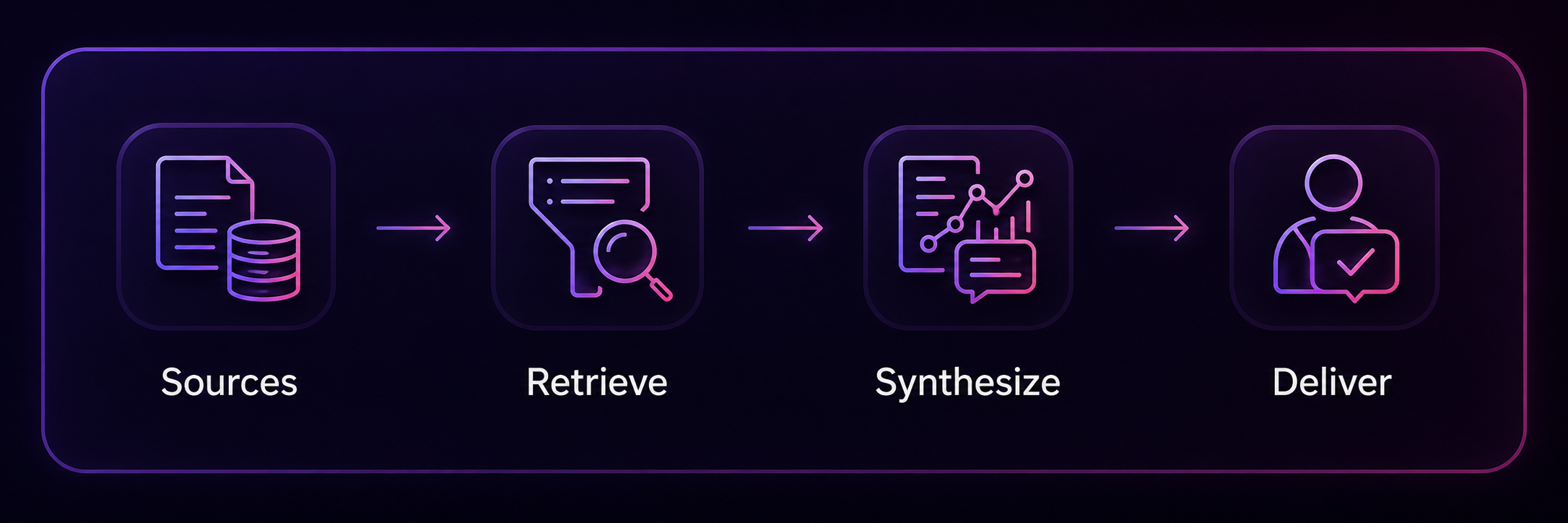
Use generative systems where teams need faster access to the right information without losing the surrounding context.

Services
Generative AI becomes useful when it fits the workflow it is supposed to support. SAVYMINDS helps teams apply generative and multimodal systems in operational environments where knowledge, conversations, screening, review, and decision support need more than a generic assistant.
Explore the Service
Service scope
Use generative systems where teams need faster access to the right information without losing the surrounding context.
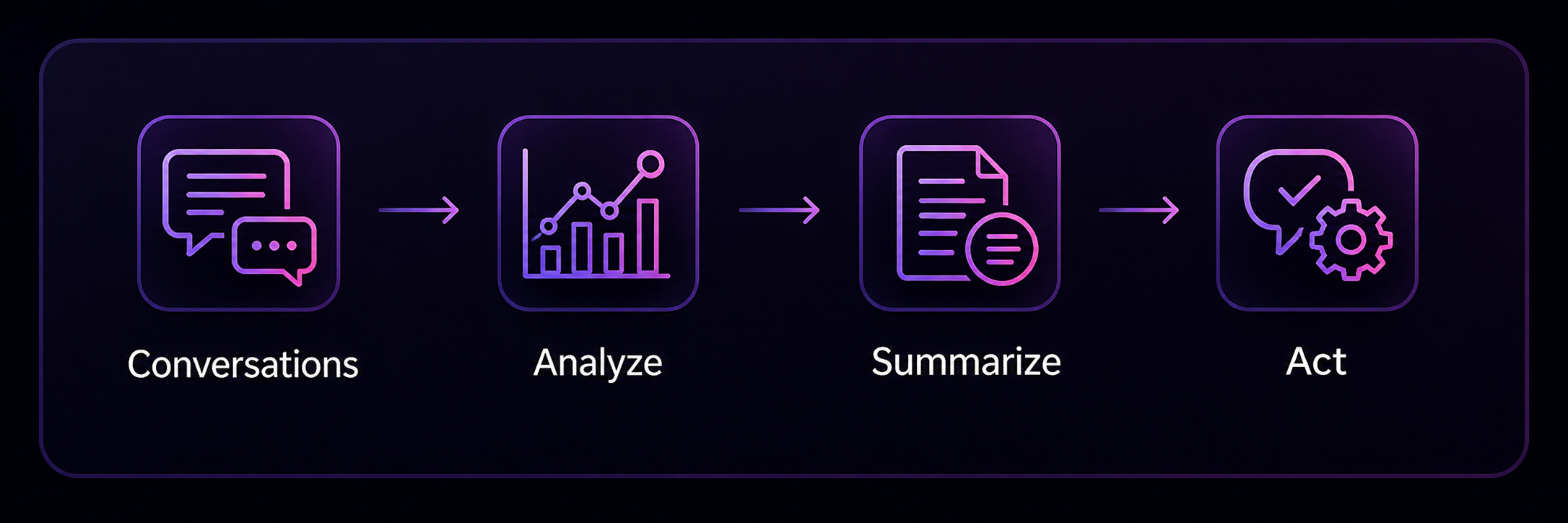
Bring structure, analytics, and review into workflows built around conversations, transcripts, and customer interactions.
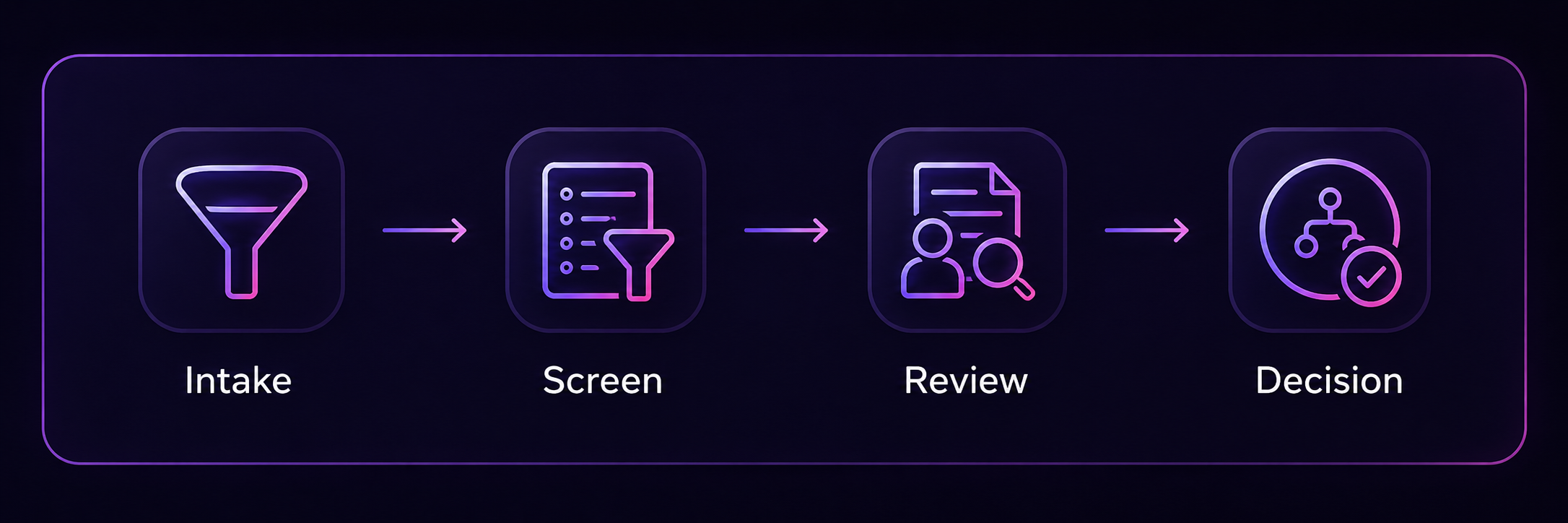
Support high-friction workflows where teams need better filtering, summarization, and decision support before work moves forward.
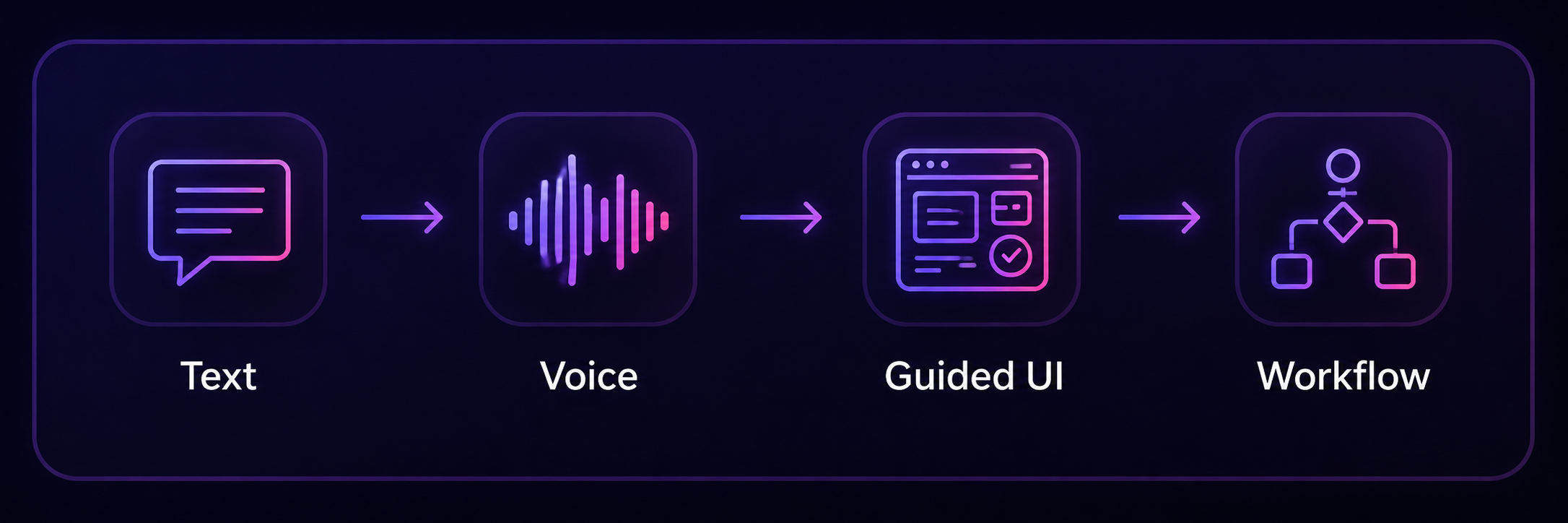
Support workflows where users need to work through text, voice, or guided interfaces instead of a single open-ended chat surface.
Inputs, orchestration, and outcomes

Operational GenAI stack
Model, retrieval, orchestration, agent, and application tooling for generative AI workflows.
Operational case
Generative AI is often sold as if it can replace the system around it. In practice, the opposite is true. It becomes more useful when the workflow, the review points, the data access model, and the operating context are all designed deliberately.

Best-fit signals
When a team is trying to operationalize generative AI, not just trial it
When knowledge, conversations, or screening workflows need more structure
When review and control are still part of the process
When deployment boundaries matter as much as model capability

SAVYMINDS helps teams move beyond generic assistants into systems that can actually support the way work gets done.
Start the Conversation